
Ensemble Studios Had A Mission

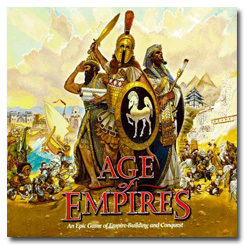
In 1995 Ensemble Studios formed as an independent studio and kicked out a little game franchise known as Age of Empires. The title has received many accolades from the first in the franchise extended out to all the Age of Empires releases and spin-offs, all-in-all selling millions of copies.

Ensemble Studios had a mission “to create great games and a great place to work,” says Bruce Shelley from Ensemble Studios. Bruce Shelley also helped design Sid Meier’s Civilization and Railroad Tycoon with MicroProse prior to his work at Ensemble Studios. Now, however, he’s a bit upset at the closing of Ensemble Studios because they were profitable, created top-quality titles and had a great working environment.

Ensemble Studios, from his perspective at least, was a place you’d go to work and be happy with what you’re doing. When you’re working along nicely and become blind-sided by the news, it’s not surprising he didn’t take it lightly.

“Everyone at our studio was shocked, and I think remains very disappointed that this is going to happen. I believe we thought we were immune to shut-down talk because our published games have done so well and have been so profitable. Plus we felt we had built a really stable (low-turnover), talented, hard-working, and creative team, which is not easy to do. We thought we were among the best studios in the world, and that may be true, but we don’t fit in the future plans of MGS as an internal studio so we’re out.” (ensemblestudios.com)

What’s the future plans for Ensemble Studios? As we’ve stated before, they plan to live on in spirit, within the bounds of a new name and a new game plan. “I believe the spirit and mission of ES will be carried forward in this new company if enough of the key leaders agree to take part, which I expect to happen. There has been no announcement about what the new studio will be working on when it gets going,” says Shelley.

This is a horrible way to have to launch a hot new intellectual property. Usually creating a new title with a building fanbase would lead to excitement, parties and high hopes for the future of the franchise. Instead, people will be dusting off their resume in hopes to continue a life of game development.

Hopefully the leaders will indeed form a brand new company and build brand new hot products with their entire staff intact. Then, take their titles to a different publisher (besides Microsoft) and make some money and fans.

0 thoughts on “Ensemble Studios Had A Mission”

Leave a Reply

Your email address will not be published. Required fields are marked *

Related Post

Episode 333: Boss BattlesEpisode 333: Boss Battles

Paul returns to the Gaming Podcast, having doing the major work on the Facebook game he’d been helping develop, Team USA Pinsanity. The trio argue over boss battles, and this week’s Gaming Flashback is The Legend of Zelda: A Link to the Past. Jordan also finally has a great Vita game to fawn over, Tearaway.

  • Take-Two files ‘Bully Bullsworth Academy’ trademark in Europe
  • Twitch cracks down on PS4 Playroom inappropriate content
  • Blizzard dev apologizes for remarks on sexualized designs
  • Sony to make $250M entertainment cuts, “nothing too sacred”

The Question of the Week: “What is your opinion on boss battles?”

Episode 734: Third Party ShowcasesEpisode 734: Third Party Showcases

No Gravatar

Among the discussions are the original 1997 Backyard Baseball finally coming to Steam, the original Horizon Zero Dawn removed from Epic Games Store, Hi-Fi Rush 2 already in development six months when Krafton acquired Tango Gameworks and Mario + Rabbids director and Red Dead Redemption lead designer found new studio Day 4 Night.

The news includes:

  • Everything revealed in State of Play September 2024
  • Xbox Tokyo Game Show 2024 Broadcast
  • Sea of Stars free content update Dawn of Equinox adds local co-op, revamped prologue

Let us know what you think.

The post Episode 734: Third Party Showcases first appeared on Gaming Podcast.

Evolution of RPG’s – Gamers Don’t Want an End?Evolution of RPG’s – Gamers Don’t Want an End?

I remember a day when old RPG games had either a level cap or a definite ending. From Pool of Radiance to Secrets of the Silver Blades to Final Fantasy the game had a final boss or stage and often had some type of level cap. Today, gamers don’t want it to end, they’d rather have the option to wonder around aimlessly or completing minor quests in order to soak up every ounce of money they spent on the title.

linkNow even Bethesda is saying “we’ve learned our lesson” from the whiplash of ending their game title and capping levels. Gamers want to go back and re-try content they missed, they want to run side quests and talk to everyone in the world they want to grind themselves to über powerful levels and become a god in their fantasy world. Can you blame them?

You can’t really blame them for wanting to maximize the content, although it’s slightly more evolved than RPG’s of old. Perhaps it was World of Warcraft and other MMORPG’s that brought us to the stage in life where we all want to squeeze every last RPG dime out of the title. As a kid I wondered the world of Hyrule and covered every tile of graphical color, burned every bush, bombed every stone looking for all the content. However, even Zelda had an end with scrolling credits – you didn’t just land on a platform with your master sword and a dream.

Other titles have used level caps to limit you and draw you into the next release of the game. This was popular in the D&D world because the game is designed to target specific levels of difficulty. They may only allow you to gain level 10 because the enemies are no tougher than level 13, allowing the challenge to be good but not overwhelming. If they allow you to get to level 50 they’d have to design the game so all the enemies grow powerful along with you — that’s not always a desired result.

Final Fantasy is a popular franchise that typically allows you to grow infinitely powerful depending on how much time you want to spend repeat killing the same enemies. Gamers aren’t always into the grind, they just want to grind “enough” to make the challenges a little more do-able.

Today, however, with larger storage capacity, larger development teams and the desire to build more value into your gameplay experience titles have dozens of side quests and sub-plots that are totally optional. The result of so many sub-quests results in a player who is much more powerful at the end of those quests compared to a player who sticks to the narrow path of the main plot. So, games much grow dynamically challenging to keep the fun per dollar high.

Do you like your RPG’s to have a definite end and a high but capped level?