
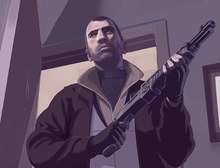
GTA IV: 46th Best-Selling Game In August

Like a washed up superstar, Grand Theft Auto IV continues to drop in NPD figures. This Axl Rose of video games came on strong and sputtered out into oblivion with barely a notice, leaving the spotlight and all hype behind it. This drastic fall may hurt any negotiations “behind closed doors” with Electronic Arts and their constant attempts to take over Take-Two.

Prior to the release of GTA IV we, in our gaming podcast, predicted a huge launch would up the anti against the bids on Take-Two from EA but things didn’t work out exactly as we expected. Although the game has sold 8.5-million units, it might not add any new bargaining power to the back door negotiations.

A game company is only as good as their games. A hit title which dies out quick helps financially guide the future of the company; technically the future isn’t so bright. With the title quickly falling off the top game sales charts we may never see it hit record sales figures to match that of smaller titles. Having one hot title every four years that “breaks records” for a week isn’t a strong weapon against a low bid from a larger publisher.

While EA may not have any record setting “one week” sales titles yet, they do have a consistently strong set of titles which stick on the charts for months with newer titles arriving to take their spot when they fade. The same can be said for a few other notable publishers, Activision and Ubisoft. To survive in the hot game industry, especially with market downturns, one must have a cycle of great games to publish throughout the year consistently year-over-year in order to provide evidence of their financial stability.

Assuming the bid won’t raise for GTA IV, where does that leave Take-Two? Perhaps Take-Two is better off under the umbrella of Electronic Arts after all. The waters are getting more hostile in the industry as companies compete for gamers attention with 100-million dollar titles and casual games and game consoles (read: Wii) start to build a whole new none-gamer-style momentum.

Is Take-Two better off under the EA brand?
Leave a Reply

Your email address will not be published. Required fields are marked *

Related Post

Episode 692: Final Failure 16Episode 692: Final Failure 16

[Reupload]

The guys discuss EA closing servers for older games, the Red Dead Redemption controversy, Tekken 8 and Killer Instinct.

The news includes:

  • Rumor: Microsoft planning on Xbox Series X Digital Edition
  • Square Enix’s profits drop after Final Fantasy didn’t “meet expectations”
  • Suikoden I & II HD Remaster is still planned for 2023 release
  • Street Fighter 6 fans hit out at $15 Teenage Mutant Ninja Turtles DLC costumes

Let us know what you think.

3 Reasons Publishers Desire Us to Keep Old Games3 Reasons Publishers Desire Us to Keep Old Games

When we invest in a new video game we want to feel satisfied by the content supplied in the game, we want to know we’re getting our moneys worth in the investment. Publishers, on the other hand, want us to keep our old games so they stay out of the used market. A publisher does not make a dime on used game sales. Their primary weapon to stop game sales? Downloadable Content (DLC).

1. Publishers Spend Lots on Marketing

A great example being GTA IV, hardcore gamers have a short attention span and live on hype more than physical games. Today, games live in press releases, demos, cinematic and live gameplay footage at conferences and on the web. Then, a game hits the shelves and sells millions of copies for a week or two before it’s forgotten. Publishers have marketed their game well, spent thousands on conference booths, streaming video bandwidth and rushing game demos through development and testing cycles early to get eyes on their titles.

Let’s face it, gamers that scrambled to buy Grant Theft Auto IV have moved onto the next big title or have decided to go outside for some fresh air (probably the former). Hardcore gamers consumes games like candy, sells them off for store credit and works towards their next purchase.

2. Publishers Want Loyalty

DLC breaths new life into old games, making them remain valuable for months after the hype and excitement has died. We’re now spending USD $60.00 for some of these new “current generation” game titles for a few days or weeks of excitement. Free downloadable content brings new reasons to play our “old stale” games and allows us to feel comfortable about our 60 bucks spent on a title.

Rainbow Six Vegas 2 is receiving a new “Fan Pack” for gamers to re-energize themselves about the “old” sequel to Rainbox Six Vegas. A game released in March is considered old by gamers, probably rarely played on Xbox Live anymore and needs something to keep the fans interested. This helps build loyalty to your product so the next franchise title which is released has a better chance of being purchased by your fan base because they can look forward to additional free content in the future.

3. Publishers Hate Used Games

Publishers are helping stick those games in the hands of the gamers for a longer period of time by supplying free add-on packs. Why would you re-sell your precious title back to the store when you could hold it and wait for potential DLC?

Publishers receive no revenue from the resale of a video game so it’s in their best interest to keep it out of the used markets. If there is a chance your beloved game will receive new features, at no cost to you, wouldn’t you hold off from selling it to see what’s coming?

Once a gamer has sold their title to a retail chain for pennies they’re unlikely to re-buy the title with the typical 80% markup when DLC arrives. They may opt to borrow a friends copy or rent the title rather than re-purchase it; neither fair well for the publisher in terms of revenue.

Games are expensive. Consumers must be wise to the best value in their video game titles and publishers want you to choose them for your gaming entertainment. Competition is high, profit margins are low and the market is all about sales volume. Publishers want repeat customers, people who feel their games are valuable before and after the purchase and are willing to share their loyalties with others.

Do you collect old console games, or do you sell them off to game stores and/or eBay? Would you consider holding off a sale if there was a great chance of new downloadable content?