
 Circuit City seems to have a problem paying their bills or so it seems, as Sony stopped their shipments mid-transit and returned them before hitting the distributors command center. In this unfavorable market climate, with the holidays around the corner, it seems bad for Circuit City to lose the trust of Sony.
Sony is afraid, “Circuit City couldn’t pay for the shipments” so the merchandise was turned around and returned home. Considering Sony, more than likely, wouldn’t have shipped the products to start with unless Circuit City was in good standing suggests things might have been “learned” after the shipment left the docks.
Circuit City’s been in some bad situations before, having a rough time dealing with competition in a very low margin, high volume, world of electronic retail. I’ve witnessed CompUSA disappear after the local Best Buy moved in and now Best Buy sits about 80 yards from Circuit City.
This is unfortunate because Best Buy can use some competition before they take over the bulk of this industry leaving only Wal*Mart and a few smaller stores to keep them in check. Considering I just purchased a 2-year warranty on my Rock Band 2 drum kit at Circuit City I’m fearing I’ll have to break the hardware sooner than later!
(Thanks, Gizmodo)
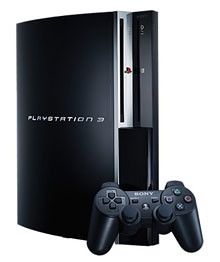 The patience of PlayStation 3 owners is
  Most folks in the game industry are already writing off E3 as an actual event to be attending. Even Wedbush Morgan analyst Michael Pachter is calling it “virtually useless” for both retail and investors. The writing is on the wall and the reasons are obvious.
6 Circuit Cities closed in the Bay Area the other day. Warning sign.
6 Circuit Cities closed in the Bay Area the other day. Warning sign.