
Jonah is in LA, TJ is at EVO, and who knows where Scott is.
No Podcast This Week
Categories:
Related Post
Episode 400: So Long, PaulEpisode 400: So Long, Paul
Well, the fateful day has come on this landmark podcast, as Paul says farewell as a regular podcast host. We can all look back at Jonah’s debut in episode 200, with the knowledge that the next episode will make him the longest running host or co-host on the show – and that’s just scary. A former host leaves a message as well.
This week’s news includes:
- Creator of My Little Pony: Friendship is Magic is crowdfunding a fighting game
- Xbox head discusses why Final Fantasy 14 is not on Xbox One
- Pachter: “The console installed base is as big as it’s ever going to get”
- Andrew House: the PS4 is struggling against censorship in China
- Analyst: 30 million VR headsets by 2020
The Question of the Week: “What’s the creepiest videogame you ever played?”
Episode 353: E3 Swag BagEpisode 353: E3 Swag Bag
Jonah returns from attending E3 last week, as Jordan is a sick latecomer into the podcast. Jonah and Paul relate his near-disaster loss of his iPad Air, while Jordan does his best Don LaFontaine impressions in this episode which is 50% longer than normal.
The news discussed includes:
- Hirshberg: Console transition pains not a bad problem to have
- Destiny may possibly come to Windows PC
- Nintendo’s top designer has “uneasiness” about virtual reality
- How the Xbox One’s 10% GPU increase works without Kinect
- PS4, Xbox One seeing much higher digital download attach rates
In addition to the news, there’s Listener feedback, and even better, a new contest to win an E3 Swag Bag – listen in to find out how to win (US listeners only, sorry.)
No New DS Redesign Until Sales FadeNo New DS Redesign Until Sales Fade
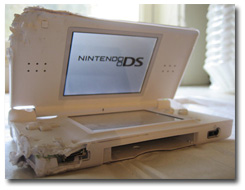 If you’re looking to see what the next greatest DS hand-held will look like, plan to wait until Nintendo starts to see declining sales trends for their current DS hardware. Sensible from Nintendo’s standpoint, but a major bummer for those hand-held gamers who want to see something new and cool out of the Nintendo camp.
While the DS sells great, many of us tech fans would love to see what a new generation of DS would look like. Perhaps something closer to the iPod touch in screen size and touch-abilities with real WiFi capabilities connecting to the Internet? Wouldn’t it be neat if they added GPS location and tilt abilities much akin to the iPhone or iPod Touch?
Personally, I envision a system where you are in total control of your character from leaning, to sliding, to moving your fingers around the screen and communicating over the Internet sharing high scores, drop-in drop-out multiplayer titles with complete voice communications.
Alas, Nintendo tends to gimp most of their hardware from hot innovation such as Internet communication, much like the Wii. While Nintendo has the next-generation capabilities now for Internet communication they’ve constantly opted to have a more useless version of connectivity to “protect the consumer.”
We need a DS store, much like the Xbox Live Marketplace for downloading DS casual games, considering DS game size is much smaller than a PC, PS3 or Xbox 360 title. We need a smaller form factor mimicking the iPod in thickness and durability with a larger screen or unfolding dual screen to double the size of an iPod style play area.
Hardware innovation seems to be more acceptable to Sony and their PSP product while Nintendo always opts for something more simple. Unfortunately, the PSP cannot compete against the DS which will leave them in the lead with very little desire to re-up their hardware with new capabilities and sexy new designs.
Oddly enough, the DS is the perfect device for the mass market which means they’re not going to be forced to innovate beyond its current capabilities for now. Apparently people don’t desire huge leaps in technology, screen size and speed, or we’d would probably see a decline or dis-interest in the DS hardware, thus forcing Nintendo to re-innovate and evolve.
The day will come, but probably not for a long time.