
 Diablo 3 Lead Designer Jay Wilson sat down with Multiplayer Blog to explain how the health system works in Diablo 3 and how it differs from Diablo 2. In short, you can’t add a new feature without removing an old one, in this case we’re talking about health potions.
The goal is to broaden the Diablo audience to more than just the hardcore fans. Lets be honest with ourselves, the health potion system was way too far out of control (broken?) By mid-game or earlier, half the character inventory was full of potions and you might have just purchased shares in the potion selling company with all the spending you’ve done there. The health potion system created the infinitely powerful character, in essence, by making them immortal.
Activision Blizzard has learned a bit about their success with broad audiences in games like World of Warcraft, which has surpassed game sales over Diablo 2, their most successful game title. What they’ve decided to do in this release of Diablo is to limit the characters ability to heal and make them “mortal” again, requiring the player to use strategy, tactics and skills to defeat enemies. Rather than charging forward pressing “1” then “2” then “3” and the other hot keys for potions, you’ll be forced to back away during strong stomp attacks, mind your enemies special attacks and defend yourself.
“One of the things that happened in ‘Diablo II’,” Wilson continued, “was the player was faster than most of the monsters and had pretty much infinite health because they would just pop as many potions as they wanted. So when you have a player who has more mobility, more health and endless power, essentially the only thing you can really do to challenge [the players] is to kill them… by just spiking the difficulty.” (multiplayer blog)
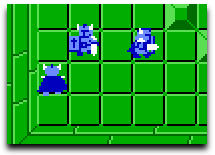 Gating the users ability to heal is a classic RPG/Adventure game mechanism for changing the playing field in terms of difficulty. You can make a game with weaker enemies in abundance and still cause you harm, take a look back at Gauntlet in the arcade for an example of this method. You can build challenging enemy styles and dungeon traps to cause the player to mind their step, look at the classic Zelda series and some of their crazy enemies. A great example is the Darknuts from The Legend of Zelda, it was a small knight that could only be attacked from behind but had a sharp little dagger if you bumped them from the front. You had to use tactics to wipe out a full room of Darknuts.
Activision Blizzard will now have the option to create some fancy enemies with challenging special abilities that do not involve insta-kill upon contact battle tactics. You control a super hero character, not an immortal; there should be some challenge besides hacking and slashing through mobs of enemies. Wilson went on to say, “We can make a monster that affects your mobility, we can make a monster that has different kinds of attacks that are dangerous to you and that you actually have to avoid. And so it makes the combat a lot more interesting.”
One of the criticisms to the Diablo franchise has always been the “click fest” of battle. You sit still and click on enemies until everyone is dead. Perhaps, without having infinite potions you’ll be challenged to use your brain on occasion, like a real RPG and have more creative use of your money rather than investing a half-billion into the potion vendors.
Where does that lead the hardcore Diablo fans? Activision Blizzard hopes they’ll see a title with a lot more depth, a new style of challenge and a long term appeal.
 We purchased Rock Band 2 and the Drum Kit on the week of launch, having played on the drums for about a month we’ve already broke them. This time, however, it’s not the foot pedal, but the blue and yellow drum heads, now having smashed little holes in the center.
Can’t wait for Diablo III.