If the sales continue as they have been for Nintendo and their little white Wii, you’ll be looking at the top-dog for overall console says–best selling console ever. This would push Sony’s PlayStation 2 to the second spot of awesome console victories over the last seven generations of gaming hardware.
 Before Sony fans unite to comment storm, remember, the PS2 had a lot of great games and continues to have games coming through for its console. People are still debating the life-span of the Wii product line, regardless to overall sales figures while the PS2 no doubt had a long live and still continues to have a long life, heck 30%+ of gamers still play the darn thing. Sony has been able to utilize the PS2 and its profitability to glide through the initial PS3 sales slump and get the momentum growing for their current generation console.
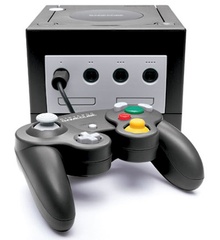
Yet, some folks are comparing the PlayStation 3 to the GameCube in terms of sales performance.
“During the first 26 month period, the PS3 sold 6.79 million units in the U.S., compared to 6.75 million GameCubes during its first 26 months. While the GameCube finished a distant third last generation, the console was profitable for Nintendo.” (Kotaku)
Before you get out your flame pens, this analogy wasn’t constructed by me, I’m merely the messenger. Again, to defend Sony (read: put on my flame retardant outfit) Sony’s console is slowly building momentum, depending on who’s statistics you read anyway, and their product will eventually become a profitable sale. The GameCube was profitable as well but boasted “dozens” of great games to play while the PS3 obviously is pushing to become the hardcore gamers console of choice with top tier graphics, blu-ray playback and a free online service. GameCube was really just a cube that played some games, a one-trick-poney as it where.
It still feels odd to say Nintendo is winning and Sony isn’t winning (I avoid the term losing to yet again to kill the flames) and… Microsoft?
Microsoft, in my opinion, is in the best possible situation. They’re not being targetted as the number one console and being critizised for holding such a position and they’re not dragging near the bottom to be poked fun at by the industry and bloggers around the world (mainly, the United States.) They’re stealthing by with good sales compared to the last generation console by “improving its fortunes.” The Xbox 360 “sells 18 percent faster than its predecessor, according to NPD figures, and even turned a profit, something the original Xbox never did” according to VentureBeat.
The PlayStation 3 has many years ahead of it and we’re sure plenty of gamers will eventually buy into the console because the technology within that black box is designed to last many years. Considering only 30% of the United States is rolling with an HD-TV it’s not surprising they’re not jumping at the opportunity to own a PlayStation 3. Why is the news all over the PlayStation 3 and talking trash about it? Sony was the console to beat when the PlayStation 2 reigned the industry, to see the console go from #1 to #3 in a single generation is shocking but not new; we saw Nintendo suffer the same fate when the PlayStation originally launched.
But, is the PS3 like the GameCube? There are too many factors to make that comparison, especially considering the growth in the game industry, the growth of storage and video technology and the general acceptance of video games. Hell, you can buy video games at convenience stores in the United States now, the industry isn’t the same as it was in 2001.
Please discuss…but don’t shoot the messenger. 🙂