
 PopCap will try their luck in the Asian market for casual games. The US market and the Asian market are clearly different and have different likes and dislikes when it comes to video games, this can be seen in the division between the US first-person-shooter genre running wild and the success of FPS franchises in Japan (a great example being the Xbox 360 console).
Many eastern style games have a casual feel to them and PopCaps going to see how they’re feeling about titles like Zuma, Chuzzle, Peggle and Bejeweled. James Gwertzman, their new Asia/Pacific VP says, “This is the opportunity of a lifetime.” He believes success will be the result of this endevor.
What do you think, Asia/Pacific, ready for US casual games?
PopCap Opens Asia/Pacific Office, Names James Gwertzman VP of Asia/Pacific
Business Development Exec Spearheads Ambitious Overseas Expansion
SEATTLE, Washington – June 24, 2008 — PopCap Games Inc., the leading developer and publisher of casual video games, today announced that James Gwertzman, longtime senior business development executive with the company, has been promoted to Vice President of Asia/Pacific and has relocated to Shanghai to direct PopCap’s rapidly expanding operations throughout the Asia/Pacific region. Gwertzman will manage a team of developers, artists, business development executives, and other staffers charged with bringing hit titles such as Bejeweled®, Chuzzle™, Peggle™, and Zuma™ to Asian audiences. The new Asia/Pacific office, which opened in Shanghai this month, will feature a development studio tasked with creating new games specifically for Asia/Pacific consumers. The new office also establishes PopCap as the first Western casual games developer to have a full-fledged operation in the region.
“This is the opportunity of a lifetime,” Gwertzman said. “The casual games space in Asia is totally different than in North America or Europe, but if we can get it right, it’s a tremendous opportunity. With more than 400 million Internet users, the wired population of Asia is bigger than that of either North America or Europe, and casual games are very popular throughout the region. We’ve had a modest ‘stealth’ presence in the area for two years now, but now we’re ready to open a fully-staffed office. We have enough confidence in our strategy to make a sizable investment, but we’re humble enough to realize that these are very different markets, and so we have designed our organization here first and foremost to be nimble and flexible.”
No other Western casual games provider has made much headway in Asia, mostly due to significant differences in the playing habits and expectations of Asian consumers, as well as the challenges inherent in translating games into multiple Asian languages and adapting them to local business models. PopCap has quietly established a business development staff in Korea and Singapore, and last year hired Giordano Bruno Contestabile, the former Asia Pacific Director for ARENAmobile, to become PopCap’s Senior Business Development Director for Asia/Pacific. In late 2006, PopCap formed a partnership with Square Enix, one of the largest and most successful video game companies in Japan. PopCap already has a broad network of distribution deals in place covering all of its channels, including mobile, PC online, and retail. Gwertzman has been spending half his time in Asia for nearly a year, and will relocate his family to Shanghai in the coming months.
About PopCap
PopCap Games (www.popcap.com) is the leading multi-platform provider of “casual games” — fun, easy-to-learn, captivating computer games that appeal to everyone from age 6 to 106. Based in Seattle, Washington, PopCap was founded in 2000 and has a worldwide staff of over 200 people in Seattle, San Francisco, Chicago, Vancouver, B.C., Dublin, Ireland and Shanghai. Its games have been downloaded more than 1 billion times by consumers worldwide, and its flagship title, Bejeweled®, has sold more than 10 million units across all platforms. Constantly acclaimed by consumers and critics, PopCap’s games are played on the Web, desktop computers, myriad mobile devices (cell phones, smartphones, PDAs, Pocket PCs, iPod and more), popular game consoles (such as Xbox), and in-flight entertainment systems. PopCap is the only casual games developer with leading market share across all major sales channels, including Web portals, retail stores, mobile operators and developers, and game device manufacturers.

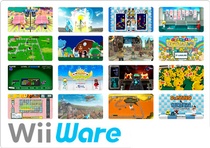 We’ve mentioned this in the past, but the tough economy gives many smaller developers great opportunities for success. While big publishers struggle to look good in the eyes of the investor, tiny developers can produce quality titles for minimal cash investment and time to market. Ten years ago, smaller developers tried to compete with the big boys making larger titles, cloning successful titles or simply asking investors to put it on the line for their game. Today, developers can create a small iphone app, a cute WiiWare title or exploit the XNA efforts of Microsoft for Xbox Live Arcade and actually have a chance.