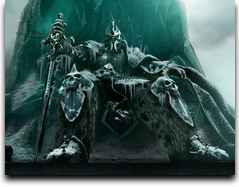
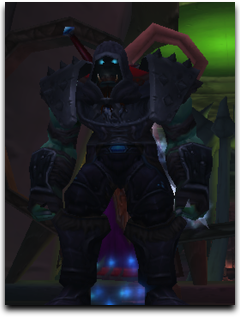
Wrath of the Lich King – Dazed and Confused

It’s tough playing an expansion when new updates have changed a few ways the system works. I’ve also had some troubles because most of my addons do not function in the Lich King beta. There are a few quests that have left people confused and screaming “how do I turn in the horse quest?” when the repeated response “press 1 to turn in quest!!”

Along with new terrain comes new questions and new solutions, many World of Warcraft gamers are used to the areas found in Azeroth and throughout much of Burning Crusades content. One of the fresh new experiences of an expansion is being able to play the game you love, but with new experiences not simply “more experience.”

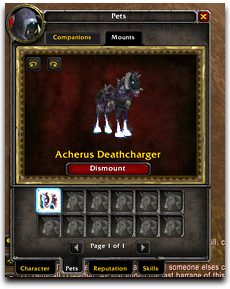
It took me roughly fourty minutes to figure out how to get on my mount and ride off into the sunset. Because they’ve changed a bit about how the mount is placed in your inventory, instead being in the “pet” tab in your character profile; this new addition was a slight adjustment to my usual method of play.
Although information is growing on Lich King and its content you’ll find the general chat the best place to get answers as others have already experienced much of the introduction areas once or twice; some folks are on their third iteration of their best Death Knight.

Thus far, the introduction areas are a great way to exercise the powers of the Death Knight and best understand your abilities. You’ll find yourself gaining epic amounts of experience with ease, pushing 12,000 experience for a basic quest. When you’re at level 55, you’ll need a ton of experience to level up so the newbie areas tends to doll out tons of experience to give you a clue how the game mechanics.

Initially, you’ll probably be wondering what runes are, runic powers and what the talents the Death Knight holds under his/her black cape of doom.

Once you’ve gotten a vague idea of the Death Knights talents, powers and special abilities you can start farming and killing innocents across the land. Many initial quests will involve battling fleeing civilians and charging military installments upon a battle field to gain some experience. You’ll find much of the equipment you much choose from when finishing quests is going to round you out as either a spell caster or melee mauling warrior.
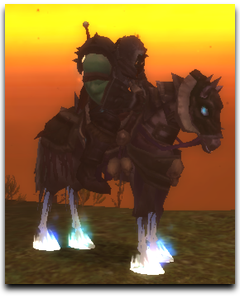
Although you’ll never stand a chance as the front line of a massive offensive, you’re a very well equiped second tier of destruction. Holding powerful spells to drain the enemy of life, raise the dead and stabbing the weak.

The most confusing aspect of the Death Knight is the runes and runic powers you utilize in combat. This takes a bit of getting used to but is more attune to the rogue’s energy meter combined with the fighters rage system to build a new style of combat mechanic.

Next time we’ll get more into the runes, runic abilities and raising the dead. We’ll also cover a bit about how the Death Knight plays their role in the combat system, a bit about their Blood, Frost and Unholy talents from my own perspective.

Overall, the beta experience is a nice one, a good deal of lag at times but it’s tolerable because you’re spending so much time learning the in’s and the out’s to this new crazy character class.

November 13ths release date should be an amazing one for many World of Warcraft fans.
Leave a Reply

Your email address will not be published. Required fields are marked *

Related Post

Wrath of The Lich King – Rune SystemWrath of The Lich King – Rune System

As the Wrath of the Lich King beta lives on, the world (and software behind it) is ever changing. Apparently, the rune system has changed a lot since its first inception. This requires a delicate balance, as the goal is a well rounded Death Knight class without epically overpowered features. Too much power and people will feel cheated while others feel overly destructive. End result, everyone would be a Death Knight.

The rune system that Blizzard has created is more straight forward than the initial system because it contains less variables. The Death Knight has a secondary bar, much like a Warrior, that starts empty and slowly climbs with “Runic Power,” an energy generated when you cast spells and expend rune energy. It works much like the warrior class, as it builds it will open up some abilities in your bar that were “grayed out” because they couldn’t be cast yet.

What the heck is a rune? Above your character profile you’ll have six little circles, called runes, these little guys work much like the rogues energy. The three styles of runes are: Blood, Frost and Unholy runes and they’re coordinated with your spells and sword strike abilities much like a paladin or warrior. Each rune “goes dark” when you expend its energy – this limits your access to use the Death Knights abilities much like expending all your rogues energy stops the rogue from using their neat features. However, once its energy is expended, it will grow your runic power a slight bit, “charging” it for later use.

(more…)

Beauty of Micro-transaction MMO’sBeauty of Micro-transaction MMO’s

Taken from Florensia OnlineThere is room to grow in the world of massive multiplayer online gaming. A large online community should not have to subscribe to a monthly charge to play great MMORPG’s because there are other known models that work, including the micro-transaction based MMO.

At first, this sounds like a dirty word, micro-transaction. Often we relate it with being “nickle and dimed” through a video game by means of dirty marketing which feeds our enthusiastic gamer addiction. Put this thought aside for a minute and keep an open mind.

Imagine a game with worlds the size of World of Warcraft and stories as in-depth as Guild Wars (which is not monthly itself) but free from monthly payments (or “playments” a new term that needs to be coined). The reason behind the monthly charge covers service fees, technical support staff, bandwidth, servers and sheer volume of Activision Blizzards user base.

The micro-transaction concept could still help pay for all the overhead of running an online gaming business because gamers tend to be over-enthusiastic about their great addictive games. If you build a game with excellent content, replay value and strive for a community atmosphere a micro-transaction title can work just as well as a subscription based game.

One beautiful aspect to micro-transaction models is paying for content when you’re willing to pay. This includes cosmetic character alterations, basic needs items (health potions) and other products to enhance the playability of the game without requiring the gamer to do so. There will be some gamers that use this as a “free ride” and never buy anything while other gamers spend way too much because they have expendable income which helps balance out costs.

(more…)

Studios Closing: The Good, Bad and UglyStudios Closing: The Good, Bad and Ugly

Gamers around the world are going to feel the pain in the 2009 holiday season after the economy shakes apart many great development studios. Electronic Arts feels the pain of being a public company as their investors complain about lackluster revenue, THQ deals with closing studios to extend their runway and other firms will lose more headcount in the coming months.

It’s not all bad. But, it’s going to get ugly before it gets better.

The financial market has played tricks on everyone in our global economy and companies across all industries are going to feel a bit of a tightening around the belt. Investors are shaken and doing their best to protect their investments and cutting loose those that aren’t projecting profits in the near future. Game studios are going to slow their financial burn rates, trim a bit of the fat and hunker down the long term. The end result, next years holiday season will have a few less games because those games are being dropped to the floor now.

Mid-sized studios within larger firms may find their projects canceled or put on hold and their employees re-structured or let go while big studios assess what projects will make the long haul. This is the ugly side of the business, having to make a decision on what games stay and what games go with the grief of having to tell some of your best talent “goodbye.”

The bad part of the industry is occurring today, with publishers posting mediocre profits and trying to convince their investors to be patient and trust they’ve got a firm hold on their destiny. The game industry is not alone in this, many firms are reducing head count and many startups are finding themselves without series A or B funding; they’re closing their doors because the money is being directed to more stable ventures.

What’s the good in all of this?

(more…)