
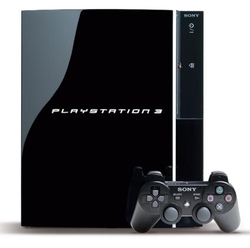
 What a dilemma it is, Sony’s PlayStation 3 isn’t as hot as the Nintendo Wii in Japan. Even the Xbox 360 has had some minor success stories in Japan while Sony sits back saying “wtf?”
President, SCE Worldwide Studios, Shuhei Yoshida is pointing the finger at the publishers saying, “What’s happening is that lack of support from the Japanese publishers – not necessarily from intentions but from development capabilities.” (kotaku) Why, though, would publishers push to produce games on the console that’s currently losing market share?
Sony’s position is very tough to deal with because they’re not market leader so publishers are looking for the biggest bang for their proverbial “buck” and that’s not the PS3 right now. You can produce an expensive game for an expensive console or a cheaper game for a cheaper console and make more money.
How, then, can Sony get out of this situation? They must find a way to promote an incentive for publishers to create Sony exclusives or, at least, a Sony “port” of a game to build up their library of must-have titles. Perhaps Sony’s punishment at the hands of Nintendo and Microsoft in the States has a bit to do with their global marketplace issues — they need to put a concerted effort into one of their regions and champion themselves in one realm before trying for all of them. Right now, they’re a watered down expensive console with very few exclusive titles.
Metal Gear Sold 4, Home and Little Big Planet are great reasons to own a PlayStation 3 if the price was a bit more reasonable. Looking at the future, we’ve got Resistance 2 and a few other titles that may make some waves in the industry, at least in the United States, but it’s going to be an uphill battle in which they are the second best this time.
It’s always easy when you’re on the top. PlayStation 3 is not on the top so it’s time to start struggling, cutting prices or enticing publishers to build good exclusive titles.
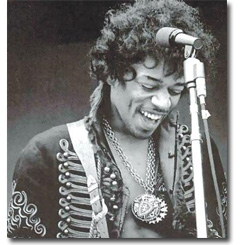 In the race for best rock simulation, Activision has pulled out a legend and brought to their franchise. Jimi Hendrix will play a role as an in-game character along with a couple tracks you may have heard: Purple Haze and The Wind Cries Mary.
 In an interesting interview this week at 1up.com,
0 thoughts on “Rock and a Hard Place: Sony’s Japanese Dilemma”