Games 2.0: User Generated Gaming?

In a world driven by the Internet, global economics and the short attention spanned reader we’ve been bombarded with social networks and 140-character micro-blogging. We’re constantly finding ways to promote ourselves, promote our brands or tell people what we’re eating for dinner. Is this obsession with ourselves and our creativity bridging into video games?

It’s games 2.0 people!. A time when we’re inventing our own video game stages, characters and full blown casual games! Not only are people getting a chance to design their own games with Microsoft’s XNA, Adobe Flash or from small independent casual games, but we can design our own stages in games like LittleBigPlanet.

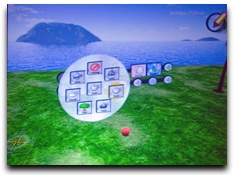
Microsoft wants to remind us that Boku is much like LittleBigPlanet in its user generated video game content. Seen in this video below:

It’s obvious their going down the same path as Sony has gone with creating your own stages with LittleBigPlanet and creating a new way of gaming: playing other people’s stuff. You can find some similarities with Guitar Hero: World Tour‘s ability to create your own songs and publish them for others to play.

Are we heading down a generation of games where some of the best stages are created by fellow dedicated gamers? Or, is this just a distraction and means for developers to have gamers invigorate and create more of a demand for the games they are making the money on?

(Thanks, Destructoid)
0 thoughts on “Games 2.0: User Generated Gaming?”

  1. LBP is a great game for creating other games! Not sure of M$ Boku endeavors (will it see the light of day?) The PSN is very cohesive with user generated content (like mods / mutators for UTIII, custom music authoring on GH:WT) none of which are supported by the M$ Live service. I would doublt if M$ Live ever will. M$ Live is 6 years old now but the PSN is only 2 and has already exceeded M$ Live’s user base along with functionality at a FREE price. Truly Game 2.0 is on course at least in the Sony Home-landscape.

  2. LBP is a great game for creating other games! Not sure of M$ Boku endeavors (will it see the light of day?) The PSN is very cohesive with user generated content (like mods / mutators for UTIII, custom music authoring on GH:WT) none of which are supported by the M$ Live service. I would doublt if M$ Live ever will. M$ Live is 6 years old now but the PSN is only 2 and has already exceeded M$ Live’s user base along with functionality at a FREE price. Truly Game 2.0 is on course at least in the Sony Home-landscape.

Leave a Reply

Your email address will not be published. Required fields are marked *

Related Post

Wrath of The Lich King – Rune SystemWrath of The Lich King – Rune System

As the Wrath of the Lich King beta lives on, the world (and software behind it) is ever changing. Apparently, the rune system has changed a lot since its first inception. This requires a delicate balance, as the goal is a well rounded Death Knight class without epically overpowered features. Too much power and people will feel cheated while others feel overly destructive. End result, everyone would be a Death Knight.

The rune system that Blizzard has created is more straight forward than the initial system because it contains less variables. The Death Knight has a secondary bar, much like a Warrior, that starts empty and slowly climbs with “Runic Power,” an energy generated when you cast spells and expend rune energy. It works much like the warrior class, as it builds it will open up some abilities in your bar that were “grayed out” because they couldn’t be cast yet.

What the heck is a rune? Above your character profile you’ll have six little circles, called runes, these little guys work much like the rogues energy. The three styles of runes are: Blood, Frost and Unholy runes and they’re coordinated with your spells and sword strike abilities much like a paladin or warrior. Each rune “goes dark” when you expend its energy – this limits your access to use the Death Knights abilities much like expending all your rogues energy stops the rogue from using their neat features. However, once its energy is expended, it will grow your runic power a slight bit, “charging” it for later use.

(more…)

Bejeweled Twist Launched, Casualites RejoiceBejeweled Twist Launched, Casualites Rejoice

After four years of development, Popcap lit up Seattle Monday night with the launch of Bejeweled Twist sparing no expense to show off their new casual game. It took four years to complete but Popcap isn’t going to release a game until it’s perfect. You won’t play it until they believe it is a game their mom would love.

“Popcap builds games for people, not demographics,” says CEO David Roberts. At the launch the founders, John Vechey, Brian Fiete and Jason Kapalka talked about the casual game market while the “Gem Girls” walked around looking sexy and flashy. Roberts talked about the casual game industry and forecasts it growing to become an $8 billion market — not too shabby for USD $19.99 games.

Downloads of Bejeweled, of course, show no signs of stopping and Popcap explained that 40% of their revenue comes from the old concepts of “Diamond Mine.” Phil Spencer, Microsoft Game Studios’ General Manager, hopped on stage and explained how Microsoft saw Popcap’s vision in their Diamond Mine flash game and suggested a rename to Bejeweled, the founders hated the name but took the big companies suggestion on the change.

Since then, we’ve had many folks attempt to clone and replicate the success in Popcap’s flagship product. Complete with open bar, Gem Girls, camera flashes and glitter this game launch shows the growing casual games industry the great power and momentum of “simple” casual games.

Nothing about Bejeweled Twist is simple. The game play of Bejeweled Twist aggregates all the knowledge Popcap has acquired over the last seven years to design one blockbuster title. From classic Bejeweled to Chuzzle to Peggle, the game takes pieces of each successful title and combines the game play, sounds, graphics and modes into a product that will bring casual gaming to a new level. Bejeweled Twist is going to be the new bar to reach in the industry in terms of addictive game play and a unified casual vision.

Stay tuned for the full review as we get deep into the full features of Bejeweled Twist. Special thanks to Dale North from Destructoid for hanging out for some drinks during the after party.

Future Gaming is Family GamingFuture Gaming is Family Gaming

Gaming is mainstream and growing, this is obvious to most video game enthusiasts. Even Jack Thompson has failed in taking down the industry in his efforts on video game violence and general FUD. In order to survive in a mainstream environment publishers and developers are going to target a broad demographic to make them as much money as possible.

The game industry, like other entertainment avenues, is a risky business in which publishers have to pick titles they “predict” will do well in the market while passing on other “risky” propositions. While a the good ol’ shooter title will break sales records, the market cannot rely on one genre to carry the business especially considering many of these titles are forgotten within two months from launch. Publishers are going to be forced in expanding their reach to “family games” in order to finance new blockbuster titles.

Enter family gaming.

The idea of designing a “family” game isn’t new to our industry, as a matter of fact, it’s one of the oldest cornerstones of video game entertainment. Pong, Centipede, Pac-Man, Space Invaders and many other classic titles were no doubt playable by the entire family, but things have changed. We’ve evolved from hit titles like Donkey Kong to hit titles like Halo. We migrated from 2D gaming to full 3D adventures and pixel graphics to pixel shaders, but where do we go next?

Nintendo has the correct vision for the next stage of the video game industry and it involves bringing the entire family into gaming. It’s mainstream, right? Mainstream isn’t your dad playing a video game in the basement after the kids go to bed, it’s replacing Sorry with Spore and bringing out Wii Sports and having little family tournaments. We must respect what the big titles have done for the industry in merchandising, novels, sequels and spin-offs but we should not rely on them to carry us into the next generation of gaming.

(more…)