
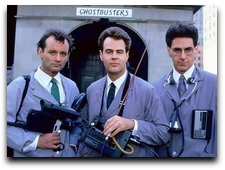
Ghostbusters Benefits From Activision Banishing

ghostbustersBad economic times mingled with company acquisition spells disaster for many game titles but the story ends well, we hope, for Ghostbusters. The game was slated for a Holloween release, last year, but was given the boot by Vivendi when they merged Activision and Blizzard. There is only so much room for projects and management when two companies combine, Ghostbusters was given boot.

Atari picked up the franchise once it was slammed to the cutting room floor and the team has since been given a second chance. Not only did Atari give them access to a channel for publishing, they asked the developers for a wish-list of things they could have done different. They then granted all the changes, in effect, giving the developers a second chance to update the title and make the story telling and game better than it would have been if they hit their original date.

Being picked up by a developer and being given the chance to update the game in ways you really only had dreamed means we, as gamers, will be getting the real title. The biggest factor for a crappy game is the time and money to get the job done. Unfortunately time and money are in constant battle with money usually arriving as victor.

Now, developers are being given the time to do it right at the expense of a little more money in the investment. A once in a lifetime change that could put a “would be” dead franchise in the top spots.

(Thanks, BlendGames)

Leave a Reply

Your email address will not be published. Required fields are marked *

Related Post

Episode 430: Audio IssuesEpisode 430: Audio Issues

This episode has some audio issues due to circumstances requiring Jonah to tape from outside in the NYC streets. Otherwise, this week’s news is Poke-mazing as some major issues hit the video game world this past week.

The news includes:

  • Valve’s Counter-Strike illegal gambling controversy continues
  • Red Dead Redemption sales jump 6000% after Xbox One backwards compatibility announcement
  • Pokémon Go raises security concerns among Google users

This is the contest’s last week. The Question of the Week is “How much is too much data to share with a game company?”

Episode 302: Just a TwosomeEpisode 302: Just a Twosome

This week Jonah and Jordan go it alone without Paul, which is unfortunately since the Gaming Flashback is the classic Nintendo 64 title Paper Mario. It might be just as well as the events of the last week made the crew ramble on about the industry at length, making the post much longer than usual.

This week’s impressive news items:

  • John Riccitiello steps down as CEO of Electronic Arts
  • Firaxis announces Brave New World expansion for Civilization V
  • Will fans back an Alice 3 Kickstarter, asks American McGee
  • Lord British explains Shroud of the Avatar‘s offline gameplay and DRM
  • Facebook of Italian automobile company mentionsGran Turismo PS4″
  • Team Meat sitting out on developing for next-gen consoles

Lots of Reader Feedback, but no Question of the Week this week – just too much show.

Studios Closing: The Good, Bad and UglyStudios Closing: The Good, Bad and Ugly

Gamers around the world are going to feel the pain in the 2009 holiday season after the economy shakes apart many great development studios. Electronic Arts feels the pain of being a public company as their investors complain about lackluster revenue, THQ deals with closing studios to extend their runway and other firms will lose more headcount in the coming months.

It’s not all bad. But, it’s going to get ugly before it gets better.

The financial market has played tricks on everyone in our global economy and companies across all industries are going to feel a bit of a tightening around the belt. Investors are shaken and doing their best to protect their investments and cutting loose those that aren’t projecting profits in the near future. Game studios are going to slow their financial burn rates, trim a bit of the fat and hunker down the long term. The end result, next years holiday season will have a few less games because those games are being dropped to the floor now.

Mid-sized studios within larger firms may find their projects canceled or put on hold and their employees re-structured or let go while big studios assess what projects will make the long haul. This is the ugly side of the business, having to make a decision on what games stay and what games go with the grief of having to tell some of your best talent “goodbye.”

The bad part of the industry is occurring today, with publishers posting mediocre profits and trying to convince their investors to be patient and trust they’ve got a firm hold on their destiny. The game industry is not alone in this, many firms are reducing head count and many startups are finding themselves without series A or B funding; they’re closing their doors because the money is being directed to more stable ventures.

What’s the good in all of this?

(more…)