
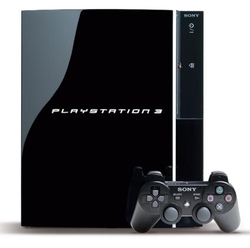
PlayStation 3: Not About Quantity, About Profitability

The Xbox 360 price drop rumors flow like water and it’s all but officially been announced at this point. What about PlayStation 3 and their price? No.

Nobuyuki Oneda, the Sony’s chief financial officer said, “our plan is not to reduce the price. Our strategy is not to sell more quantity for PS3 but to concentrate on profitability.” (gamespot) This makes complete sense coming from their chief financial officer, as their motivation is to make money, not lose it.

The question remains, how will they actually make money if they’re no longer in the race for competitive market prices? Considering game licensing must Net them some amount of profit Sony’s idea seems to be the exact opposite of their original PlayStation method: saturate the market and sell them all games.

So far we’ve seen very few “need to have” games for the PlayStation 3 console while Xbox 360 continues to build a substantial library and Wii continues to break sales records for apparently no reason. When a game publisher has to decide on a platform to launch a new game, why would they choose the one that doesn’t care to be competitively priced in the market? The one that doesn’t care about quantity of sales?

Sony intends to reverse the entire razor blade philosophy where one sells a cheap razor and charges users for the blades over and over again. Their take on this concept is to sell really expensive razors and put out small half-quality blades. Is that a good market strategy at this point?

0 thoughts on “PlayStation 3: Not About Quantity, About Profitability”

Leave a Reply

Your email address will not be published. Required fields are marked *

Related Post

Episode 384: Homestar RuinerEpisode 384: Homestar Ruiner

This week’s episode has bad audio, but at least it’s short, due to Jonah’s lingering laryngitis. Paul insists Homestar Runner hasn’t been good in 15 years, while Jonah talks about the NES classic bomb Athena.

This week’s news includes:

  • Nintendo Virtual Store to start selling N64 and DS games
  • Tim Schafer recommends Broken Age players start over from the beginning
  • Silent Hills is officially dead

All this and Listener Feedback.

Episode 367: A New BeginningEpisode 367: A New Beginning

The podcast is back as Paul S. Nowak is back from his vacation, and he brought back a new co-host with him. Devin Grimes, who once upon a time wrote for GameStooge, is now a part of the team. This week’s podcast also includes a new Gaming History, discussing the Nintendo DS.

The news items include:

  • Ebola scare drives sharp rise in Plague Inc. downloads
  • Twitch bans ‘sexually suggestive clothing’ in new terms
  • Dying Light cancelled for PS3 and 360
  • Xbox One available for $349 Starting November 2
  • Sony apologizes for Driveclub‘s ongoing launch woes

No Listener Feedback, but a new Question of the Week: “When did you first start listening to this podcast?”

Nintendo’s Non-Gamer 50+ CrowdNintendo’s Non-Gamer 50+ Crowd

While Sony and Microsoft one-up each other with fire sales on old hardware and blockbuster titles like Gears of War 2 and Resistance 2, Nintendo goes for something completely different… older people.

You’re only as old as you feel, but it’s hard to discount Nintendo’s attack on a demographic when they visit the American Association of Retired People’s Life@50+ Expo in Washington, D.C. this week. Odd move, indeed… or is it?

Retired people may have a bit more time than a busy adult with two kids and a few jobs to hold down. While young adults may want to game, they may not always have the time in their schedule, especially in the United States where people forget what “vacation” means. Retirement is a time to reflect upon your life, your deeds and enjoy the fruits of your labor with your grandchildren; it’s time to get a Wii.

The Wii is the perfect gift for retired folk who want to entertain themselves with something new and different without having to keep up with game releases. The Wii doesn’t have very many games when compared to the 360 and, although many get low review scores, retired folks aren’t scanning the Internet for weekly game reviews and news. They may not be the most in-touch with the industry but that’s okay, they’re non-gamers.

All that Nintendo has to do is sell the unit to them, it may sit on the shelf for months or only get pulled out when the grandchildren visit, but it’s a low-cost unit with games like Wii Sports and Wii Fit, what more do they need?

(Thanks, Kotaku)