
 While compiling a list of games to respond to a user question on the TD Gaming Podcast, I’ve noticed something about this years gaming lineup: their mainly all sequels! Are there any new franchises taking a risk in the market or just more of the same? Some are not really “sequels” but spin-offs of the same franchise.
A few examples of some October time frame titles: Fable 2, Far Cry 2, Gears of War 2, Rock Band 2, C&C: Red Alert 3, Saints Row 2, Rayman Raving Rabbids 3, Tekken 6, Call of Duty 5, Guitar Hero World Tour, Tom Clancy End of War, Sing Star Vol 2 and others.
There are a few original titles: Afrika for the PlayStation 3, Little Big Planet (PS3) and Huxley (360 and PC). Most of the original franchise creations seem to be PlayStation 3 related, probably because the console needs some major hits to spur more sales.
Is the market so competitive and risky that new franchises are becoming a rare breed? Last year we saw Assassin’s Creed and before that Viva Pinata and Gears of War exclusive on the Xbox 360. Consider Viva Pinata a “slight” failure in terms of excitement and Gears of War a success, that’s 50/50 in terms of risk vs. reward.
We’re going to see sequels for both of these new franchises (Viva Pinata: Trouble in Paradise and Gears of War 2) with no word yet on Assassin’s Creed 2. Perhaps E3 will show off some hype for a brand new franchise but the chances are great we’ll be bombarded with part two and part three all the way to part six to known game franchises.
It seems the 2008 holiday season is going to be filled with “safety net titles” in terms of risk vs. reward. It’s hard to argue Gears of War 2 in terms of sales and profit, making it a great safety title, but where is all the brand new titles? We can’t look towards Nintendo to produce anything as they’ve been kicking out Mario and Zelda titles for fifteen years, we must look towards other developers, but who?
Electronic Arts has proven to be very reliant on past titles performance when developing their next big hit. They’re the master of tagging a title with a year and releasing it (Madden is a great example). TheSims, Battlefield and Command and Conquer are a few of their known titles which get seemingly yearly franchise releases. Who can we look towards to take the risk?
Microsoft and Sony are the most likely to kick out a brand new franchise as it would make the title exclusive to their console and, considering the money the spend on marketing their consoles, they’ve got enough money to deposit in risking a new franchise in hopes for a hit.
Although we’re all happy to see yet another release of TheSims, Fable, Far Cry, Rock Band and other hot titles, it’s also nice to see something new and creative hit the store shelves. Apparently we have to stop buying into the sequels (i.e. GTA IV) before we’re going to see any real change, forcing developers to risk their reputation for the next great game innovation.
 The Japanese government has not allowed PlayStation Network to be activated for Japanese gamers yet due to security concerns, and now an expert is advising Australia to follow suit.
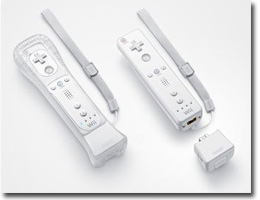 Nintendo has already announced the Wii Motion Plus at E3. This device is supposed to fine tune the motion sensing capabilities of the Wii controller and make it a bit more refined for gaming. Sounds, to me, like a hardware patch, no?
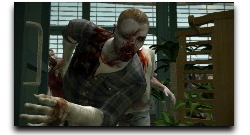 Dead Rising is being ported to the Nintendo Wii, only two years after the original title. In Japan, they’ve changed the name to Dead Rising: Zombies Sacrifice, perhaps to make it sound like a different game.
hmmm, made me think if having one too many sequels could only cause players to get tired of the game.But if it showcases something new why not. Sometimes, you don’t like the first release but loved the sequel.