
Sierra’s Franchise Titles Fade Into History

One of the great downfalls of an acquisition or merger, in the game industry, is the loss of great franchise titles. Sierra, or Sierra Online, once stood on its own as a company with great gaming titles but later fell into the depths of Hades under many different company names.

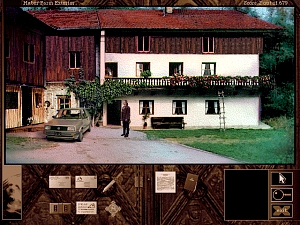
Sierra’s last stop on the acquisition highway was Vivendi, years after much of Sierra’s steam had slowed. Now, they’re part of Activision Blizzard so we had high hopes they’d find a great use for some of the old Sierra properties long since collecting dust. Space Quest, Kings Quest, Leisure Suit Larry and especially Gabrielle Knight were some of our favorites, but times have changed.

“We are retaining only those franchises that are a strong fit with our long-term strategy including Crash Bandicoot, Ice Age and Spyro, as well as Prototype and a second game that has not yet been announced. We will not publish any other titles that previously were part of the Vivendi Games portfolio and we are currently reviewing our options regarding those titles,” says Activision Blizzard (joystiq)

This is unfortunate news, Activision Blizzard now has a large set of franchises on their hands, many of which have collected dust for years. Those dust collecting franchises could rise from the dead and reinvigorate their old fan base… or be dropped to the earth as unwanted scrapes after a big hunt with the vultures awaiting their take (sorry, too much watching of Animal Planet)

A reworked Kings Quest or Gabriel Knight could have seriously awesome potential in this time and age, imagine a dark comedy version of Gabriel Knight or a huge scaled world in King Quest using todays graphic engines. Although, these titles could also go the way Atari has gone and taken a well remembered franchise and made mud of its great name (*cough* Alone in the Dark).

Unfortunately, we’ll probably never know the distance an old franchise could go in this new world. We’ll have to pull out an old copy of our prized posessions and remember just how great they once where.

0 thoughts on “Sierra’s Franchise Titles Fade Into History”

Leave a Reply

Your email address will not be published. Required fields are marked *

Related Post

DRM Free Spore Steams Forward!DRM Free Spore Steams Forward!

Gamers get upset when developers sneak ugly hacks onto their computers when they just want to play video games. Although gamers really only revolt when they know their being exploited, Spore is a fine example of how not to lock down a video game. Using SecuROM was a bad decision on the part of Electronic Arts, no matter what their PR spin tries to tell us.

Imagine a world of DRM free spore and you may be imagining reality using the Valve’s Steam software download architecture.

“The moderator specifically mentioned Spore but it’s possible this extends to other EA games that used SecuROM as well (like Mass Effect). If a game on Steam uses third-party DRM, it’s supposed to be mentioned on the product page.” (cinemablend)

We’ve been complaining about the Spore DRM for month snow on the gaming podcast, perhaps we’ll have to shut our mouths soon enough.

(Thanks, GameStooge)

Episode 322: Xbox One, PS4 Launch LineupsEpisode 322: Xbox One, PS4 Launch Lineups

This week’s episode as a guest in the form of Jordan Lund’s wife Jennifer. There was to be a Gaming History, but it’ll be used next week when there’s more time.

This week’s news includes:

  • Microsoft Points transformed into cash
  • Gamers can return digital titles on Origin after a week
  • Bungie feels Destiny can be bigger than Halo, as big as Star Wars
  • Borderlands 2 coming to PlayStation Vita
  • Sony announces 33 “launch” titles for PlayStation 4
  • Microsoft announces launch titles for Xbox One
  • The Sims 4 emotional gameplay revealed at GamesCom 2013

All this and Listener Feedback, with the same “console or PC gamer?” question from last week.

Developer Wants License Keys For Console GamesDeveloper Wants License Keys For Console Games

UK developer David Braben from Frontier Developments believes smaller development studios are in the worse position when it comes to re-sale of “pre-owned” video games. Since a developer only gets their cut of the profits when a game is sold new, pre-owned titles allow gamers to play games without paying the developer for the effort.

This also hurts larger publishers, but they’re able to recover because of the sheer volume of games and game titles. One idea David had, was to code each game with a unique license key like a PC game that gamers must enter before playing. This would kill the ability to re-sell video games back to the market for others to buy at a cheaper price (translation: better value).

The future shows a higher degree of downloadable games, which cannot be re-used or sold back to the market, but for now, developers have to deal with pre-owned video games cutting into their profit. Presumably you could have a great game with smaller sales and a high degree of resale in the pre-owned market.

Problem with this take on development? Besides large scale video game sellers like GameStop making 80% profit margins on resold games (rather than a 10-15% on new), gamers want a way to make back some of their money on expensive titles. When you’re paying $60 for a game and you beat it in a week or two, you want to resell it so you can invest in a future title.

My theory… make games more affordable so we don’t feel gouged on the price. We may decide to hold on to it longer and tell our friends about it. A good game reference and a reasonable price will increase sales every time. Don’t try to solve pre-owned problems when the problem is the publisher and the industry making huge game prices.

(Thanks, Kotaku)