
 Gamers are passionate about gaming, love their games, follow the industry all while living and breathing all things game. This is the green pastures upon which fanboys are born. As we’ve seen at gamingpodcast.net, where we were hit hard by fanboy rage a few days ago the blood boils with hate and rage.
Although our site only received 30+ comments, other sites whom picked up the article have 100+ comments on the article about Blu-ray and my opinions of it. PS3 fanboys ran wild telling me how my name has been “dragged through the mud” followed (and preceded) by many curse words and name calling, many of which I simply refused to post because of the vulgar content.
They have moved on to larger more popular platforms to voice their opinion, by dinging Gears of War 2 prior to the games release on metacritic.com dolling out a 3.5 user submitted review (which has since gone up upon the release). Why did they target GoW2? Because the 360 fanboys nailed LittleBigPlanet with crappy reviews, says smashpad.com.
The response was to hit Resistance 2 for another bad user review score all while forcing metacritic to change their user review process to only allow users to post reviews after a game has hit store shelves. Metacritic isn’t to blame here, although it is sensible to only allow reviews prior to a games release, the fanboys have found a way to hold their turf wars.
Who’s next? Amazon.com allows reviews as well and, as we saw from Spore, it can get pretty dirty there too. Now that Metacritic is altering their review process will gamers wait until they’re allowed to spam with bad reviews to do so, or will they hunt for new social networking proving grounds to give games a bad name?
Perhaps they’ll compete for google keywords to rank #1 for a fraud review of a title to beat out other sites or they’ll find another popular user-generated review site to scar the name of a to-be released title.
There is a gang war on the Net and it involves fanboys finding social media outlets to spread their hate and deception on the opposing consoles. For us, we’ll stick with gaming and leave the rage to someone else.
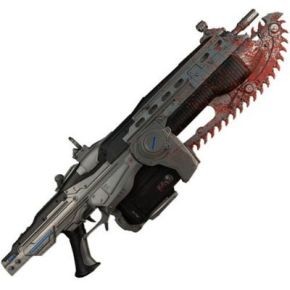 Imagine that, the USD $139 Gears of War 2 bundle includes a life-sized plastic gun that goes “zoom zoom bang.” It comes with a removable handle clip and an adjustable side-handle but… in the end… it’s a plastic toy gun manufactured for adults.
 “Last time I checked, they’ve never had a console that’s been on the market for more than four or five years and we’ve committed to a ten year life cycle, so you do the math…,” he says. He goes on to state that the Xbox 360 won’t have a larger install base by the end of their 10-year plan has been completed, “unless things go really bad.”
Six words, Derrick:
I. Did. Not. Set. You. Up.
Six words, Derrick:
I. Did. Not. Set. You. Up.