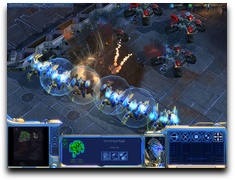
 Nobody is perfect. When it comes to creating an epic story arc, awesome pre-rendered movies and a fully fleshed campaign Blizzard has done well. Now, Blizzard speaks of Starcraft 2 and the world shuts their mouth and listens to each and every word. What’s the word?
A Trilogy.
We’re not talking about the Lord of The Rings style trilogy, but three games with full stories which all end with the gamer being satisfied at the closure, not cliffhangers.
The three standalone games will be (says GameStooge):
- Terrans – Wings of Liberty
- Zerg – Heart of the Swarm
- Protoss – Legacy of the Void
Gamers are probably thinking, “so, I can play multiplayer with only one race?” No! The campaign is split into three separete games, not the races and multiplayer features. Although, each title is sure to introduce something new to the game engine, Blizzard has said:
“Nothing changes for multiplayer or skirmish mode. All three races are fully implemented from the get go. Each campaign will feel like an epic story – not a cliffhanger into the next one. They will each have separate arcs that have a clear start, middle, end – and you will feel like you’ve really finished *something* at the end of each game. More content than we’d previously planned – many more Movies, Missions, etc.” (games.on.net)
From our perspective, it seems Blizzard is itching to release the multiplayer system to the world sooner than later, considering some countries use Starcraft as a professional league, but they don’t want to rush out fast to market campaigns just to satisfy this multiplayer desire.
Instead, they’re going to take their time, in usual Blizzard style, by releasing the game as they finish it… per races story. This should give us a less watered down storyline or having one or two races with a piss poor storyline while another has a kick ass storyline because it was done first.
End result? Multiplayer gamers will be happy in the end while those that play Starcraft for the story will need to wait for each game to be completed. We know Blizzards release schedule is “when it’s ready” so we can only imagine how long it will take to reach that third game in the trilogy.

 Why release a single block buster game with a two week pop when you can simply lower the price of your console and boost sales by 100%? That’s a question Sony may be asking themselves right now, as Metal Gear Solid 4‘s hype may have lasted years but the sales and console unit sale boots lasted a month.