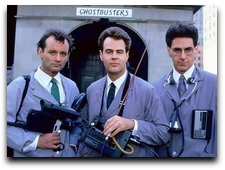
 Bad economic times mingled with company acquisition spells disaster for many game titles but the story ends well, we hope, for Ghostbusters. The game was slated for a Holloween release, last year, but was given the boot by Vivendi when they merged Activision and Blizzard. There is only so much room for projects and management when two companies combine, Ghostbusters was given boot.
Atari picked up the franchise once it was slammed to the cutting room floor and the team has since been given a second chance. Not only did Atari give them access to a channel for publishing, they asked the developers for a wish-list of things they could have done different. They then granted all the changes, in effect, giving the developers a second chance to update the title and make the story telling and game better than it would have been if they hit their original date.
Being picked up by a developer and being given the chance to update the game in ways you really only had dreamed means we, as gamers, will be getting the real title. The biggest factor for a crappy game is the time and money to get the job done. Unfortunately time and money are in constant battle with money usually arriving as victor.
Now, developers are being given the time to do it right at the expense of a little more money in the investment. A once in a lifetime change that could put a “would be” dead franchise in the top spots.
(Thanks, BlendGames)

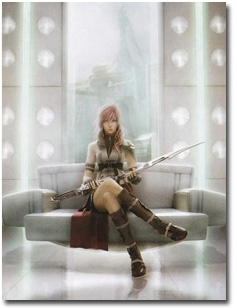 Yoichi Wada of Square Enix has let the cat out of the bag. The cat is Final Fantasy XIII for the Xbox 360 and it will be simultaneously released with the PlayStation 3 version. This may be an end to an exclusive era for Sony as all their big brands jump to non-exclusion.
 This weeks gaming podcast covers two reviews, including LittleBigPlanet and Guitar Hero: World Tour. We also touch on a bit of retro NES history with ExciteBike. This weeks gaming news includes: