Over the last year we’ve seen developers scrambling to find “value add” features to new game purchases. Their goal is to convince the customer to buy new instead of used because developers don’t see a penny from a used game sale. While GameStop sees 48% profit margins from the used game market developers struggle to stay floating in the industry.
 This is not the fault of GameStop and their 48% profit margins because they’re only getting 7% to 20% profit margins (say analysts) on new game sales. As someone that’s run a game store online, if you’re getting 15%+ on a new game you’ve got some great hookups in the distribution channel or are buying in huge quantities.
Buying games in huge quantities to build profit margins can be a huge mistake in this industry. Gamers are fickle little creatures and they’re going to buy their top tier games for a few weeks and then sales will drop significantly. No retail chain wants to purchase a thousand copies of GTA IV (only as an example) and sell seven hundred over the first few week to be stuck holding onto a few hundred copies when the dust settles. Now you’ll have to put them on sale to get them out of the store because the hardcore gamer have already done their shopping and you’re not going to get any price protection if you’re not a major player in the industry.
Why take 7% profit margins when you can get 48% on a used game? The gamers don’t seem to mind because they’ll trade in a used copy of a sports title like Madden to save $5.00 on the latest franchise release. Gamers will buy Fable 2, beat it in a week and rush to the store to get the “most for their dollar” before the game gets stale and buy-back prices drop like a stone. Why not rent Fable 2 and save yourself $50.00? Of course, renting pisses off developers as well because they see no additional revenue.
While the economy struggles and consumers fight for their jobs, the entertainment side of life continues to grow. People would rather “cocoon” in their homes playing video games and watching movies on their brand new HD television because it takes them away from the low points of the economy if only for a few hours. History has shown us trends in entertainment during the down points of economies, it’s natural to want to get away for a bit.
But, consumers want to play these games on the cheap because their job may not be there tomorrow. Saving $5.00 knowing the store just took the title in for half the price doesn’t bother you; $5.00 in your pocket is better than in their pocket right? The fact that they just pocketed upward of 40% on the game doesn’t matter to you — it’s all about your bottom line!
While we’re bargain hunting during the recession developers are going to try and up sell you to a new copy of the game. If that means giving you special game items and features with a “one time code” upon purchase, it will be up to you to decide if it’s valuable. All the while GameStop will lock out the game industry from selling used games because 42% of their overall gross profit is from used game sales.
You, the consumer, benefits from a slightly cheaper game, bargain bin fire sales and additional game features if you do choose to buy new. The economic down turn is a great time to be a gamer, as long as you remain employed.

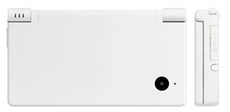 One of the greatest things Nintendo has done was allowing the DS to be unlocked for regions. This allowed gamers around the world to share their favorite games from all cultures and countries with just a click of the “buy” button at an online store.