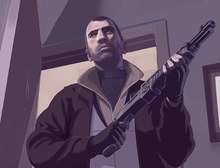
 Like a washed up superstar, Grand Theft Auto IV continues to drop in NPD figures. This Axl Rose of video games came on strong and sputtered out into oblivion with barely a notice, leaving the spotlight and all hype behind it. This drastic fall may hurt any negotiations “behind closed doors” with Electronic Arts and their constant attempts to take over Take-Two.
Prior to the release of GTA IV we, in our gaming podcast, predicted a huge launch would up the anti against the bids on Take-Two from EA but things didn’t work out exactly as we expected. Although the game has sold 8.5-million units, it might not add any new bargaining power to the back door negotiations.
A game company is only as good as their games. A hit title which dies out quick helps financially guide the future of the company; technically the future isn’t so bright. With the title quickly falling off the top game sales charts we may never see it hit record sales figures to match that of smaller titles. Having one hot title every four years that “breaks records” for a week isn’t a strong weapon against a low bid from a larger publisher.
While EA may not have any record setting “one week” sales titles yet, they do have a consistently strong set of titles which stick on the charts for months with newer titles arriving to take their spot when they fade. The same can be said for a few other notable publishers, Activision and Ubisoft. To survive in the hot game industry, especially with market downturns, one must have a cycle of great games to publish throughout the year consistently year-over-year in order to provide evidence of their financial stability.
Assuming the bid won’t raise for GTA IV, where does that leave Take-Two? Perhaps Take-Two is better off under the umbrella of Electronic Arts after all. The waters are getting more hostile in the industry as companies compete for gamers attention with 100-million dollar titles and casual games and game consoles (read: Wii) start to build a whole new none-gamer-style momentum.
Is Take-Two better off under the EA brand?

I saw articles about the C64 Mini a while ago, but hearing you talk about it got me really psyched. I forgot about all those fun games.