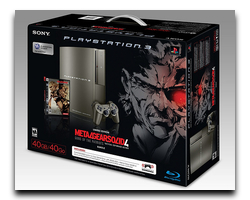
 Metal Gear Solid 4 was a solid release for the PlayStation 3, the exclusive title that gives Sony an edge over the competition. This was Sony’s Halo 3 title and it needed to be a big success in order to keep gamers confident in the Sony brand.
Sony is reporting a 300% increase in PlayStation 3 sales over last month, mainly due to the desire for people to own Metal Gear Solid 4. Remember, this isn’t an increase in game sales, this is an increase in console unit sales, providing evidence that MGS4 sold consoles.
While Grand Theft Auto 4 seemed to sell a few consoles but, overall, didn’t impact console statistics during its release, this exclusive PS3 title has done just the opposite. Perhaps because of its exclusivity? Xbox 360 consoles have been in the hands of the consumer for a few years now, most of those consumers actually purchased GTA IV (as expected and reflected in sales) but not a lot went out to purchase the console. They already had it or didn’t care to own it for a game like GTA IV.
While many people purchased Metal Gear Solid 4 because it’s “Metal Gear,” you can see from the trailers that the game looked impressive, felt complete and contained a lot of great action. You’ll get a great sales pop the first few days on a title with a huge fan base but to sustain the growth and sell consoles you’ve got to provide a well known title that doesn’t suck.
MGS4 doesn’t suck by any reviewers score; it’s not perfect, but what game is? MGS4 delivered what it was said to deliver with very few bad experiences and that’s all you can ask for a console moving title.
So, what next? Sony has promised us that MGS4 is just the first of many titles to blow our minds. Resistance 2, Little Big Planet and what of that MAG game they showed off at E3? 256 players? We won’t hold our breath for that title, but Resistance 2 and Little Big Planet, combined, may move a few more units.
It may not be about the games today that move the next round of PlayStation 3 consoles, it’s about the promise of the games tomorrow with titles like MGS4 to hold us over until then.
(more…)