
This week’s episode covers a wide variety of topics, with no set news list save talking about Nintendo Direct’s oddly uninspiring conference. There’s no news list, so feel free to discuss what you found interesting or frustrating about Nintendo’s stream or anything else mentioned in the podcast.
Episode 602: Nintendo Directionless
Categories:
Related Post
Gaming Podcast 189: Fort GayGaming Podcast 189: Fort Gay
So this week we’re busting out a new flashback of an old game: Ironsword: Wizards and Warriors II. We’re covering a bit about some gaming history and a few key news articles of the week including:
- Microsoft bans user because of town name
- John Romero doing casual games consulting
- Sony fighting jailbreaking too
- Apple taking a leap into social gaming with iOS 4.1
This weeks question of the week, what do you think is the top selling video game genre of all time, not just the last few years.
Episode 680: E3 GoneEpisode 680: E3 Gone
E3 2023 has been officially canceled, and there’s speculation that E3 might be over — the guys have an idea how to fix it, however. Vampire Survivors wins Best Game at the BAFTA’s, an Easter Egg is found in Resident Evil 4 Remake, and Sony’s not having a good Spring.
The news includes:
- 11 members of Congress argue Sony is unfairly hurting Xbox in Japan
- The “Gamers Lawsuit” against Microsoft has been dismissed
- MultiVersus open beta ends in June & the game will go offline till full launch in 2024
- Sony PSVR2 headset off to slow start as Metaverse push sputters
Let us know what you think.
Ghostbusters Benefits From Activision BanishingGhostbusters Benefits From Activision Banishing
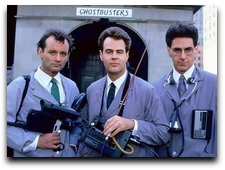 Bad economic times mingled with company acquisition spells disaster for many game titles but the story ends well, we hope, for Ghostbusters. The game was slated for a Holloween release, last year, but was given the boot by Vivendi when they merged Activision and Blizzard. There is only so much room for projects and management when two companies combine, Ghostbusters was given boot.
Atari picked up the franchise once it was slammed to the cutting room floor and the team has since been given a second chance. Not only did Atari give them access to a channel for publishing, they asked the developers for a wish-list of things they could have done different. They then granted all the changes, in effect, giving the developers a second chance to update the title and make the story telling and game better than it would have been if they hit their original date.
Being picked up by a developer and being given the chance to update the game in ways you really only had dreamed means we, as gamers, will be getting the real title. The biggest factor for a crappy game is the time and money to get the job done. Unfortunately time and money are in constant battle with money usually arriving as victor.
Now, developers are being given the time to do it right at the expense of a little more money in the investment. A once in a lifetime change that could put a “would be” dead franchise in the top spots.
(Thanks, BlendGames)