 Rhythm games are the new FPS for a lot of gamers, a broader audience of gamers, and the market is thriving and demanding new titles. Harmonix and Activision are at the front of the battle with Konami following a bit behind but still contending (we think) very soon.
Each company plans to up each other with cooler instruments, tighter controls and new in-game options and multi-player fancies. It’s a business and each competitor tries to gain a lead by whatever means needed to win… or do they?
Harmonix stops short when it comes to purchasing exclusive rights to music artists, for now at least. Harmonix’s Eric Brosious went on blogger record saying, “We prefer not to sign exclusive deals with artists because while it seems like the competitive “business” thing to do, in the long run, it’s really not good for anyone. We think we should be working to get more music out to more people.” (kotaku)
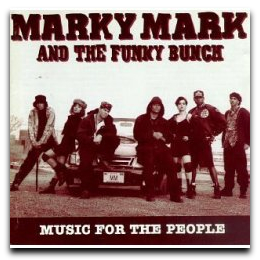
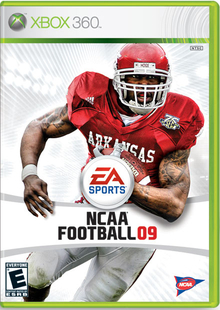
As Marky Mark once said, we need “Music for the people” not for in-game exclusives making us choose between Guitar Hero and Rock Band titles. We’ve seen what EA has done to the football franchise by taking control of the NFL roster, money talks and the best game doesn’t always win.
If Activision decides to buy up a ton of great exclusive content and you’re a rock band gamer, you’ll lose out in a ton of great content. For some gamers, that might mean losing out in some artists you’ve never heard before which also means the artist loses out in new fans. We’ve seen younger gamers fall in love with the sounds of Boston and The Police, bands famous way before the birth of many of the Rock Band fan base.
You can tell Harmonix is a development group with roots in music while Activision is a development group with their roots in business. While exclusive access brings you an advantage, in terms of broadening the culture of music, it does very little. Harmonix may be in the right but will that matter in the end when business deals hit the table?
p.s. sorry about the Marky Mark reference, but it had to be done. Bringing out a bit of my own childhood there…

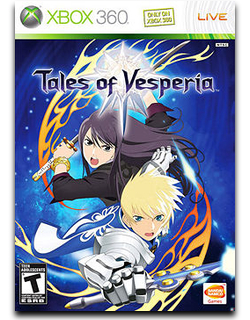
 The Xbox 360 saw a huge jump last week with Tales of Vesperia from Namco Bandai, but has dropped back down to normal sales (about none). Some are saying it’s mainly because of a short supply as the 360 sold out in Japan as a result of Tales of Vesperia.
 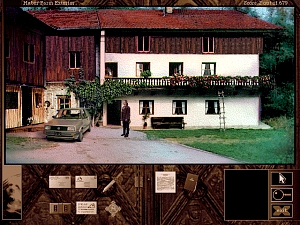 One of the great downfalls of an acquisition or merger, in the game industry, is the loss of great franchise titles. Sierra, or
 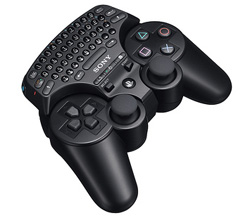 Sony’s done it, they’ve announced a wireless keyboard adapter to plug onto the stock PlayStation 3 controller. This isn’t the first time we’ve heard of this, Microsoft pushed out a keyboard for their Xbox 360 controller last year to provide faster chat abilities and, overall, smooth the interface when needing to type.
 It seems as if this is the third time, but SCEE has announced a new PSP design with eight different bundles being offered. This fall we should see the PSP-3000, which sounds much like a fake Acme cartoon toy, but it’s for reals.
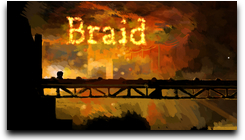 XBLA offers great opportunities for the indy developer but everything comes at a price. Over the last three years Braid‘s developer
  The month, June 2008, Metal Gear Solid 4 takes number one on the NDP figures with 774,600 individual units (over 1-million if you include bundles), in July… they didn’t even make the top ten figure. What the heck?
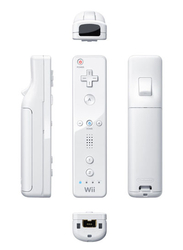 Believe this, Nintendo and their Wii console takes another month as top seller. The only product that moves more hardware than the Wii is the DS. As a gamer, it’s hard to understand how the Wii product continues to sell like this with the least supported game library on the planet.
 Sony’s been talking about how they’ve overtaken the Xbox 360 here in the States, perhaps this is because Microsoft shifted their attention to pwning them in Japan? Xbox 360 sold 25,000 units to PlayStation 3‘s minor 9,673 units according to