It’s the landmark 450th episode of Gaming Podcast — and the end of a very disappointing year in videogames (among other things) for 2016. These aren’t your usual awards though – Jonah gives the “Best PS2 Game” award to The Last Guardian, for instance. It’s an extra long podcast at almost 2 hours, so enjoy all of the banter.
There’s also news, of course, which includes:
Torment: Tides of Numenera and Yooka-Laylee get release dates
The gaming podcast is back for the full edition, this week we’ve got a preview look at the title Orcs Must Die! developed by Robot Entertainment. Besides our awesome community comments we’ve got some news coverage including:
This week, we’ve got a question for you: What is your favorite gaming food? And, if you want to see the Orcs Must Die! youtube trailer, check it out after the break.
In a world driven by the Internet, global economics and the short attention spanned reader we’ve been bombarded with social networks and 140-character micro-blogging. We’re constantly finding ways to promote ourselves, promote our brands or tell people what we’re eating for dinner. Is this obsession with ourselves and our creativity bridging into video games?
It’s games 2.0 people!. A time when we’re inventing our own video game stages, characters and full blown casual games! Not only are people getting a chance to design their own games with Microsoft’s XNA, Adobe Flash or from small independent casual games, but we can design our own stages in games like LittleBigPlanet.
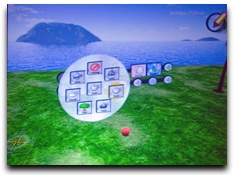
Microsoft wants to remind us that Boku is much like LittleBigPlanet in its user generated video game content. Seen in this video below:
It’s obvious their going down the same path as Sony has gone with creating your own stages with LittleBigPlanet and creating a new way of gaming: playing other people’s stuff. You can find some similarities with Guitar Hero: World Tour‘s ability to create your own songs and publish them for others to play.
Are we heading down a generation of games where some of the best stages are created by fellow dedicated gamers? Or, is this just a distraction and means for developers to have gamers invigorate and create more of a demand for the games they are making the money on?

 In a world driven by the Internet, global economics and the short attention spanned reader we’ve been bombarded with social networks and 140-character micro-blogging. We’re constantly finding ways to promote ourselves, promote our brands or tell people what we’re eating for dinner. Is this obsession with ourselves and our creativity bridging into video games?