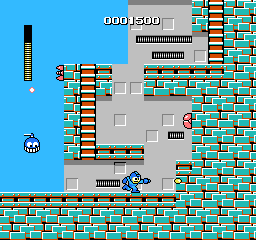
 Mega Man, a series franchise was born in the month of December, a series we rarely hear about today but one that inspired many great games in the side scrolling genre. Mega Man was foundation brick in the early Nintendo consoles and a bread winner for Capcom, he was a mascot to represent a genre typically dominated by Mario.
The name Mega Man, in the 1980’s was synonymous with the word awesome. It was also synonymous with the word difficult.
A character that had so much potential you can now find him in mobile phone gaming and the virtual console in Europe.
“In the year 200X, master robot designer Dr. Thomas Light, and his assistant, Dr. Wily, worked on a project to create human-like robots with advanced intelligence.” (wikipedia) Each robot was designed to perform a specific task, Cut Man was designed to cut down trees, Guts Man is designed to pickup heavy things, Ice man for arctic exploration, etc. His assistant grew envious of Dr Light so he reprogrammed the robots to do his bidding, which was nothing but evil. Your job is to undo this evil.
There are six stages, each one represents one of the reprogrammed robots. You must explore the stages, in side-scrolling mannerism, and battle the bot at the end of the level and obtain their secret weapon. Each robots secret weapon does something new and unique for Mega Man and he can utilize the weapons to do additional damage to other robot bosses. Some robot bosses are extremely susceptible to specific secret weapons, if you can find out which does the most damage you can simplify the battles.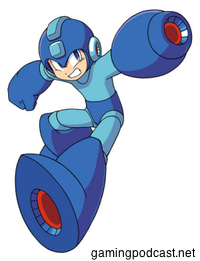 Each stage is themed after the specific robot you must defeat, which makes the game a little more fun and immersive. Each weapon is unique and can help you through different stages, since each boss can be defeated in any order you want to try to pick the order that’s most advantageous when you gain the secret weapon in the end of the stage.
For instance, Cut Man is weak against the Super Arm weapon which you get from defeating Cuts Man. If you play it in the wrong order you won’t have the Super Arm to help the battle and you’ll work harder (or end the stage and try Cut Man). Each boss has a weakness against another boss, so you have to start somewhere (without a secret weapon at first) and try to work them in the order that makes most sense…or guess.
Mega Man, the original title, is considered the hardest in the series by most fans. IGN ranked it on the top 10 most difficult games to beat. Most of the franchise contains at least eight stages while the original only has six stages but many new features (such as sliding and charging your weapon) didn’t exist in the original, some of the newer features may have made the game a slight bit easier. Also, the corridors at the end of the stage which bring you to the boss are empty in most Mega Man titles, but not the first one…the corridor is loaded with enemies that you must defeat before battling the boss…which is just pure frustrating.
Mega Man also contains many pause glitches, which we’ve talked about in another game, Master Blaster. Pausing this game can cause all kinds of crazy things to happen during a boss battle, weapons to pass through walls, extended damage (like Master Blaster where you do “damage over time” while the game is paused) and a few other glitches to make the game slightly easier…yet it’s still kinda “cheating.”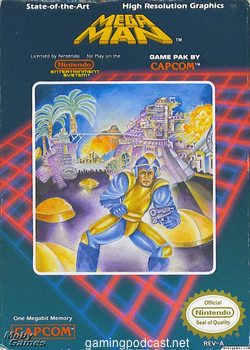 Mega Man also has made the Top Ten Worse Covers for a video game. The American version, Mega Man is a middle aged man holding a hand gun when he’s really a young boy with a mega blaster that looks nothing like a hand gun. The environment around mega man also, has nothing to do with any objects found in the game.
You can also find Mega Man in a few episodes of Captain N the game master back in 1989.
Crazy translation issues: In the manual Dr. Light is referred to as Dr. Wright. In Mega Man 2 he’s referred to as Dr. Right (different spelling), it wasnt’ until MM3 that they got the name correct, going back to Dr. Light.
This game was crazy, creative, and set the stage for a big franchise hit. To hear all we had to say on Mega Man, checkout the TD Gaming Podcast Episode 50.
Podcast: Play in new window | Download